

Program


From Phonics to Reading, All in One
From the alphabet today to English books tomorrow,
children build their skills step by step.
-
Alphabet
A Child’s First
Step into English -
Phonics
Connecting Letters
and Sounds -
Sight Words
From Reading Words
to Reading Sentences -
Readers A
Discovering the Joy of Reading
through Short Stories -
Readers B
Growing from Reading
to Understanding

STAGE 01
Alphabet: A Child’s First Step into English
Children begin their journey into English reading by naturally learning the shapes, names, and sounds of the alphabet.
-

BARO
3 MonthsLearning the Alphabet
Children learn the names and shapes of the letters from A to Z and take their first step toward reading English.
By the end of this stage, children can:- Recognize and read the alphabet
- Tell uppercase and lowercase letters apart
- Become more familiar and comfortable with English

STAGE 02
Phonics: Connecting Letters and Sounds
Children build the foundation of English reading through phonics and develop the ability to read words independently.
-
CHELLO
3 MonthsReading First Words
Children learn short vowel sounds and discover how letters and sounds work together.
By the end of this stage, children can:- Read simple words
- Connect letters with their sounds
- Build confidence in English reading
-

MILLO
3 MonthsReading a Wider Range of Words
Children learn long vowel patterns and develop the ability to read more words accurately.
By the end of this stage, children can:- Read a variety of words
- Tell similar words apart
- Improve reading accuracy
-

JACK
3 MonthsExpanding Reading Skills
Children learn consonant blends and a wider range of sound patterns, developing the ability to read independently.
By the end of this stage, children can:- Try reading unfamiliar words
- Understand a variety of sound patterns
- Take their reading skills to the next level

STAGE 03
Sight Words: From Reading Words to Reading Sentences
Children quickly recognize frequently used words, improving both reading fluency and comprehension.
-

BLANC
3 MonthsLearning High-Frequency Words
Children practice quickly recognizing words that frequently appear in English books.
By the end of this stage, children can:- Recognize and read common words instantly
- Read more fluently
- Read English sentences more easily
-

SHEILA
3 MonthsBeginning to Read Sentences
Children move beyond individual words to reading sentences and begin developing comprehension skills.
By the end of this stage, children can:- Read simple sentences
- Begin to understand what they read
- Build the foundation for independent reading

STAGE 04
Readers A: Discovering the Joy of Reading through Short Stories
Children use the phonics and sight words they have learned to read short English stories.
-
TORI
3-6 MonthsBeginning to Read English Books
Children discover the joy of reading through short and accessible stories.
By the end of this stage, children can:- Read short English books
- Build confidence in reading
- Begin developing independent reading habits
-
RORO
3-6 MonthsReading with Story Comprehension
Children connect sentences and follow the flow of a story as they read.
By the end of this stage, children can:- Read and understand stories
- Improve reading focus and concentration
- Read more naturally and fluently

STAGE 05
Readers B: Growing from Reading to Understanding
Through longer stories and a wider variety of topics, children develop reading comprehension and critical thinking skills.
-
LEONI
3-6 MonthsReading Longer Stories
Children build reading stamina and comprehension by reading longer stories.
By the end of this stage, children can:- Read longer texts from beginning to end
- Understand the content of a story
- Become more confident readers
-
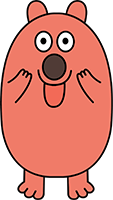
GOMA
3-6 MonthsUnderstanding What They Read
Children develop comprehension skills by analyzing what they read and identifying key ideas.
By the end of this stage, children can:- Explain what they have read
- Identify key ideas
- Develop stronger thinking skills
-
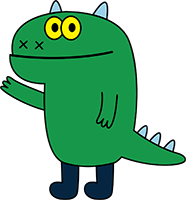
GINO
3-6 MonthsGrowing into a Confident Reader
Children grow into independent readers who can read, understand, and express their own thoughts.
By the end of this stage, children can:- Read English books independently
- Understand and express what they have read
- Use English naturally and confidently

*This is an example based on a standard 60-minute class. Class structure may be adjusted flexibly depending on each learning center’s operating environment.*
